The House Signature
PEANUT BUTTER
PEANUT BUTTER
PROTEIN BITES
“High Protein — Zero Regret!”
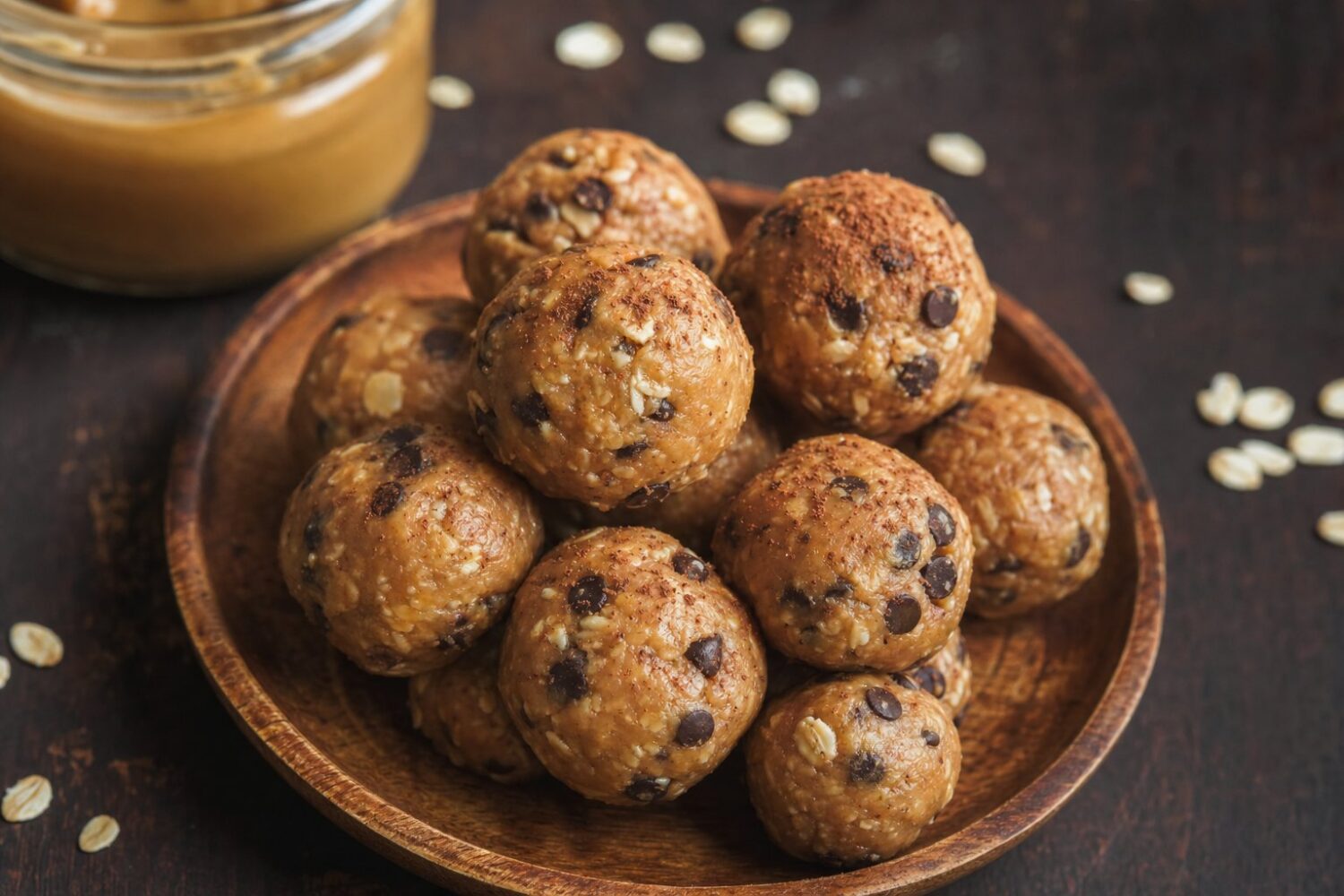
Our signature 10-minute recipe that tastes exactly like a classic candy bar. Loaded with 15g protein and absolutely no refined sugars — the flagship of the healthy protein dessert recipes here, and the one the press picked up across the country.
Freshly Baked
100% Guilt Free

Protein Power
Muscle-building treats for the modern athlete.
See the List
Sugar-Free
Low glycemic, diabetic-friendly, high flavor.
Explore Swaps
Cookie Art
The best royal icing designs, one cookie at a time.
View GalleryMost healthy dessert recipes fall into one of two traps. Either they taste like a compromise: chalky, bland, the kind of thing eaten because it is supposed to be good, not because anyone actually wants it. Or they call themselves healthy while quietly running 40 grams of sugar per serving.
Neither is the point here. The healthy protein dessert recipes on this site are built to taste like a treat first and read like a smart choice second, with no tension between the two. That is the whole premise behind everything collected here.
Why Healthy Dessert Recipes Don't Have to Be Boring
Take the peanut butter protein bites at the top of this page. They started as an attempt to fix a specific, small problem: the 3pm slump that usually got solved with a vending-machine candy bar.
Swapping rolled oats and natural peanut butter for corn syrup and milk chocolate did not just cut the sugar. It changed the texture too, denser and chewier, more like something worth craving at 3pm on a Tuesday rather than something eaten out of obligation.
That is the bar every healthy protein dessert recipe on this site has to clear: would this still get eaten if it were not good for anyone.
Some of it is genuinely simple. Rolled oats instead of flour. A scoop of protein powder where a recipe used to lean on eggs and butter for structure. Applesauce standing in for half the frosting on a batch of cake pops. None of it requires special equipment or a pantry full of powders destined to be used once and forgotten.
If you have ever abandoned a "healthy" recipe halfway through because it called for six ingredients you would never buy again, that is exactly the habit this site tries not to repeat.
Not every substitution works, either. A few of the early healthy protein dessert recipe attempts here were, frankly, bad: dry, gummy, one memorably inedible batch of "healthy" brownies that nobody finished.
Protein Desserts That Actually Taste Like Dessert
Protein powder is the ingredient most likely to ruin a dessert, which is exactly why it gets treated with suspicion here. Used carelessly, it turns brownies into drywall. Used correctly, it disappears into the texture and quietly does its job.
The trick is almost always moisture math. Every scoop of protein powder that goes into a batter takes hydration from somewhere else, so something has to give it back: mashed banana, Greek yogurt, applesauce, an extra egg. The birthday cake protein bars lean on maple syrup and almond butter for exactly that reason.
Flavor pairing matters just as much. Vanilla protein powder genuinely tastes like cake batter, which makes it a gift for birthday-flavored anything. Chocolate powder is more forgiving in dense, fudgy textures. Unflavored casein sets firm and works best in no-bake bars that need structure.
Every protein dessert recipe here states which type it was tested with. Swapping whey for plant-based protein changes how much liquid the batter drinks, so the recipe notes flag it whenever the swap needs an adjustment rather than leaving you to discover it in the pan.
Sugar-Free Doesn't Mean Flavor-Free
Sugar-free dessert recipes get built from a related but slightly different set of rules. A shortbread cookie does not need seven tablespoons of sugar to hold together and taste rich. It needs the right fat-to-flour ratio and a sweetener that behaves the way sugar does structurally, not just something that tastes sweet.
Apples, for what it's worth, are sweeter than most people give them credit for. A sugar-free apple pie built around a good Honeycrisp needs far less added sweetener than the recipe box on the shelf assumes, because the fruit is doing most of the work already.
Getting sugar-free dessert recipes to actually taste finished, rather than like something is missing, comes down almost entirely to that kind of substitution math. It took four tries to get the apple pie's crust right, and the first two attempts fell apart the moment a fork touched them.
The same logic carries the healthy shortbread cookies, which manage vegan, sugar-free, and gluten-free at once without tasting like any of those labels. Coconut oil stands in for butter at a very specific ratio; below it the cookies crumble, above it they spread into one large cookie-shaped disappointment.
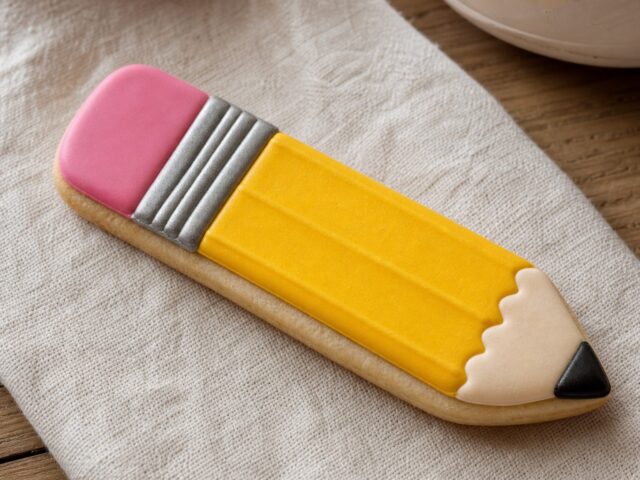
And then there is the cookie-decorating side of things, which has less to do with nutrition and more to do with patience. Royal icing rewards precision the way baking rewards ratios. Get the consistency right and a mediocre design still looks sharp; get it wrong and even a good design turns into a smudge.
That part of the site lives in the sugar cookie designs hub. It exists because decorating a cookie well is its own kind of satisfying, protein content notwithstanding — a skill that has nothing to do with counting grams of anything.
How These Healthy Dessert Recipes Get Tested
Nothing goes up after a single lucky batch. Each recipe gets baked at least twice on different days, because ovens lie and humidity changes how oat flour behaves. If the second batch fails, the recipe goes back into the notebook instead of onto the site.
Nutrition figures are calculated from the specific brands and quantities listed in each recipe card, then rounded honestly. They are close estimates, not lab results. Your peanut butter and mine do not agree on calories, and pretending otherwise helps nobody.
Failures get documented alongside the wins. The spooky Halloween cakes went through three coating attempts before the chocolate stopped cracking, and the recipe says so. Knowing where a bake usually goes wrong is half of getting it right the first time yourself.
When a shortcut genuinely works — canned pumpkin instead of roasting your own, store-bought oat flour instead of grinding oats — the recipe says that too. Effort should go where it changes the result, not where it just feels virtuous.
How to Read a Recipe Card on This Site
Every recipe page ends with a structured card: prep and cook times, yield, calories, protein, and sugar, followed by the exact ingredient list and numbered steps. The article above it explains the why; the card is the part you cook from.
Times are honest wall-clock times, including the chilling that other sites like to leave out of the headline. A "10-minute" recipe here took ten minutes in testing, interruptions included.
The nutrition line is calculated from the specific brands used in testing and rounded plainly. Treat it as a close estimate — your peanut butter, your numbers.
Where a step commonly goes wrong, the instruction says so in place rather than hiding the warning in a footnote. The goal is a card that works on the first attempt, propped behind a mixing bowl on a busy counter.
The Short Pantry Behind Every Recipe Here
Almost every healthy dessert recipe on this site draws from the same dozen staples. That is deliberate. A recipe collection that demands a new specialty flour per bake is a collection nobody actually cooks from.
Rolled oats do the heaviest lifting — ground into flour for structure, left whole for chew. One canister covers both jobs, and the gluten-free certified kind makes nearly everything here celiac-safe without further changes.
Natural nut butters are the binder of choice: almond for neutral backgrounds, peanut where the flavor should lead. The only rule is the ingredient label — nuts and salt, nothing hydrogenated riding along.
Vanilla protein powder earns its shelf space by tasting like cake batter, which no other pantry staple manages. Chocolate powder and unflavored casein cover the rest of the protein desserts between them.
Maple syrup handles liquid sweetening, dates and ripe bananas handle the rest, and a bag of dark chocolate chips covers every drizzle, shell, and chip requirement on the site. Coconut oil stands in wherever butter used to live.
That is the whole list. If those staples are in the cupboard, most sugar-free dessert recipes here are twenty unplanned minutes away, which is exactly how a weeknight craving prefers to be handled.
One storage note worth stealing even if you never bake from this site: natural nut butter lives upside down in the pantry. The oil redistributes through the jar instead of pooling at the top, and the eternal first-use stir stops being a wrestling match.
Where to Start: Pick Your Craving
The healthy dessert recipes here are organized into three collections, and the honest answer to "where do I start" depends entirely on what today's problem is.
Craving something now, with no oven involved? The protein desserts collection is full of no-bake bars, bites, and truffles that come together in one bowl. Most of them keep in the fridge for a week, which is the real reason they exist.
Baking for someone who cannot have sugar, gluten, or dairy? The sugar-free baking swaps collection reworks the classics — pie, shortbread, snickerdoodles, blondies — around substitutions that hold up structurally instead of just tasting sweet.
Need a batch of cookies to look spectacular for an occasion? The decorated cookie designs walk through royal icing consistency, piping order, and the drying time nobody budgets for.
Start wherever solves today's actual problem, whether that's a sudden craving, a birthday, or a bake-sale deadline due in an hour. The rest will still be here later, whenever the next problem shows up.
Healthy Dessert Recipes: Common Questions
What makes a dessert recipe actually healthy?
On this site it means three concrete things: meaningfully less refined sugar than the classic version, some real nutritional upside like protein or fiber, and no mystery ingredients. A dessert that swaps sugar for an equal weight of honey is not healthier — it is just differently sweet.
Do healthy protein dessert recipes work without protein powder?
Often, yes. Greek yogurt, nut butters, and oats carry a surprising amount of protein on their own. Where a recipe truly depends on the powder for structure or flavor — like the birthday cake bars — the recipe notes say so explicitly and estimate how the numbers change without it.
Which sweeteners do the sugar-free dessert recipes here rely on?
Mostly fruit doing double duty — apples, bananas, dates — plus maple syrup used sparingly where structure needs a liquid sweetener. Artificial sweeteners rarely appear, because most of them behave nothing like sugar in an oven and taste like the compromise they are.
Are these recipes safe for people with allergies?
Every recipe lists its ingredients plainly, and many are naturally gluten-free or dairy-free, but cross-contamination depends on the specific brands in your kitchen. If an allergy is severe, check every label yourself per FDA guidance — the recipe card lists exactly what was used in testing to make that easier.
Can these recipes be made ahead and stored?
Most of them are better for it. The no-bake bars and bites firm up properly after twenty minutes in the fridge and keep for about a week in a sealed container, which is the entire reason that format dominates the collection. Baked items freeze more reliably than they refrigerate — wrap them individually and they survive a month without turning to sand. Decorated cookies are the exception: once royal icing has dried hard, keep them at room temperature in a single layer, because condensation in the fridge will pit the surface.
Editor's Picks